When a patient can't sit up, everything about transportation changes. The vehicle, the crew, the loading process, the communication with the facility on both ends. Crown Care stretcher transport is built for exactly this: trained attendants, purpose-equipped vehicles, and coordination with your hospital or nursing facility so the transfer goes smoothly and the patient stays comfortable.
Stretcher transport exists in a gap most families don't know about until they need it. The patient is stable — no emergency, no lights and sirens — but they physically cannot sit in a sedan or a wheelchair van. Maybe it's a hospital discharge after a long stay. Maybe it's a transfer from one skilled nursing facility to another across state lines. Maybe it's bringing a hospice patient home for their final weeks.
In all of these situations, you need a vehicle designed for a stretcher, attendants who know how to safely load and secure a supine patient, and a transport company that coordinates directly with the facilities involved. Crown Care handles this end to end. We've done hundreds of stretcher transports — short local transfers and multi-state moves alike — and the process is the same every time: communicate with the facility, arrive on schedule, handle the patient with care, deliver them safely.
Purpose-built vehicle with hydraulic stretcher loading system, climate control, interior lighting, and sufficient space for attendants to monitor the patient throughout the ride.
Every stretcher ride is staffed by at least two trained attendants. One drives, one rides with the patient. They handle loading, positioning, securement, and patient monitoring throughout transit.
Sheet transfers, proper body mechanics, head elevation management, and continuous communication with the patient. Your loved one is handled with the same care as in a clinical setting.
Attendants are trained to monitor patient comfort, positioning, and general condition throughout the ride. For patients requiring medical-level monitoring, we coordinate with clinical transport providers.
We call ahead to both the sending and receiving facility. Discharge timing, elevator access, loading dock availability, receiving nurse details — all confirmed before the vehicle rolls.
Patient information, medical details, and transport records are handled with strict privacy protocols. No third-party broker networks, no unnecessary data sharing.
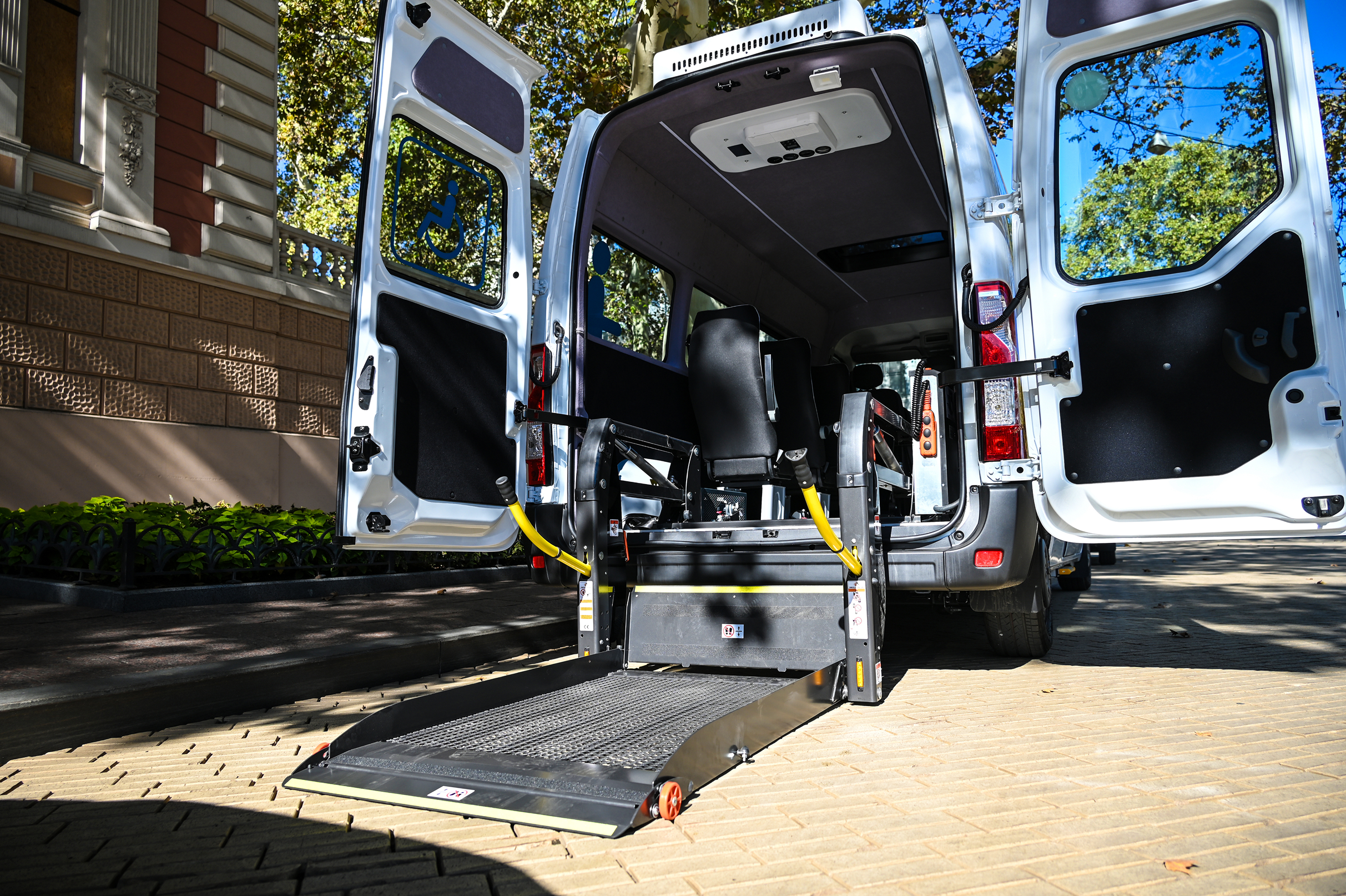
Patient is medically cleared but can't sit upright. The hospital needs the bed, the family needs transportation, and a standard wheelchair van won't work. We coordinate with the discharge planner and get the patient home or to their next facility safely.
Transferring a resident between skilled nursing facilities — same city or across state lines. We handle the logistics, coordinate with both facilities on timing and patient requirements, and deliver the resident bed-to-bed.
Bringing a hospice patient home, or moving them to a hospice facility. These rides require an additional layer of care and sensitivity. Our attendants are trained to handle end-of-life transport with the dignity and gentleness it demands.
A bedridden patient needs imaging, a consultation, or a procedure at a facility that requires in-person presence. We transport them on a stretcher, wait during the appointment, and bring them back — one seamless round trip.
It's medical transportation for patients who need to remain lying down during transit but don't require emergency medical intervention. The patient rides on a secured stretcher in a specially equipped vehicle with trained attendants. It's used for scheduled transfers like hospital discharges, facility moves, and specialist appointments.
Patients being discharged from a hospital who cannot sit upright, residents transferring between skilled nursing facilities, hospice patients going home, post-surgical patients who must stay flat, and anyone with a medical condition that prevents seated transport.
Yes. Every stretcher transport is staffed by attendants trained in patient handling, stretcher operation, safe loading techniques, and basic patient monitoring. They manage the entire process from the sending facility bed to the receiving facility bed.
That's how we prefer it. We work directly with discharge planners, case managers, and nursing staff to confirm timing, patient requirements, elevator access, and receiving facility readiness. This eliminates delays and ensures a smooth handoff on both ends.