Medical Transportation for Elderly Patients
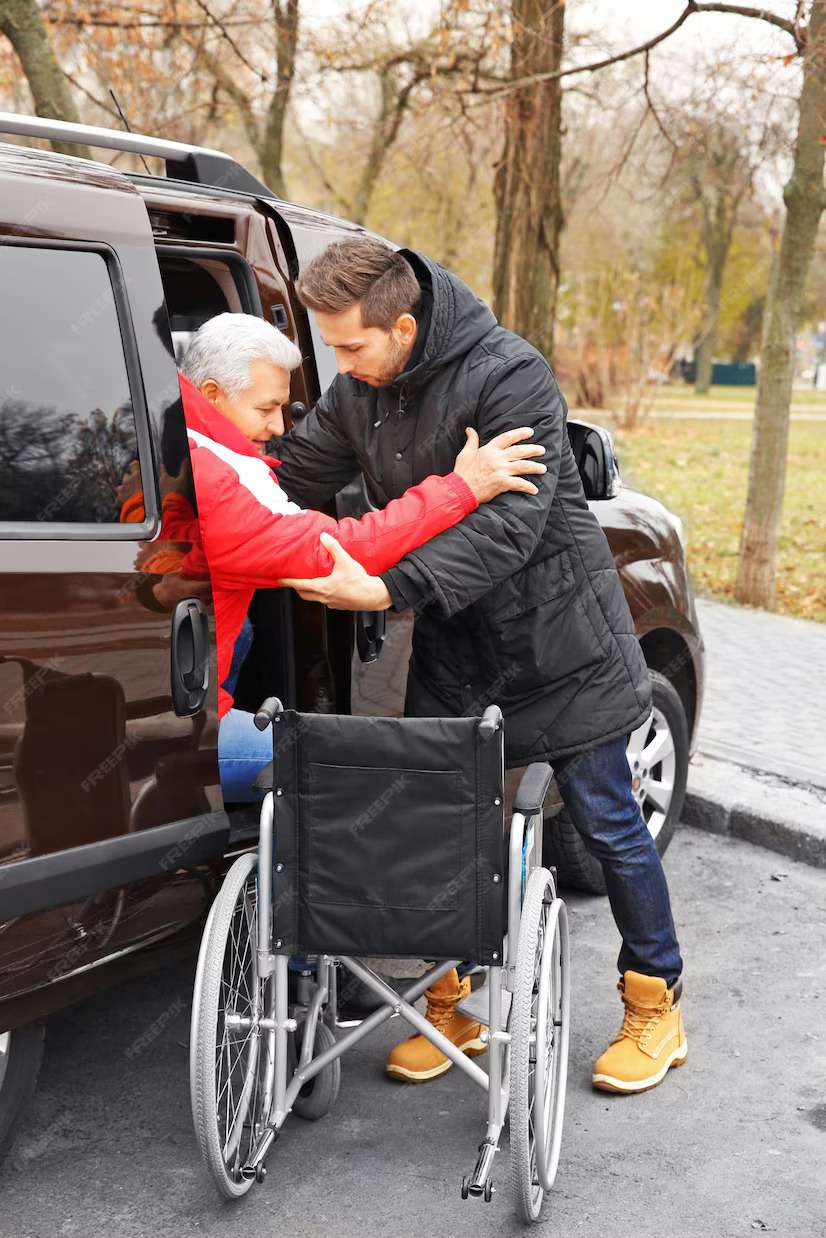
Medical transportation for elderly patients is not just about getting from point A to point B. It is about doing so safely, comfortably, and with the respect and patience that aging adults deserve. The challenges are real: mobility limitations, fall risk, cognitive changes, medication effects, and the emotional weight of losing the ability to drive independently.
A good NEMT provider understands all of this. A great one builds the entire service around it.
The Unique Transportation Needs of Elderly Patients
Fall Prevention
Falls are the leading cause of injury among adults over 65. Every step of the transportation process — exiting the home, boarding the vehicle, arriving at the facility — is a potential fall risk. Trained drivers mitigate this with proper assistance techniques, steady arms, and awareness of environmental hazards.
Patience and Pace
Elderly patients move at their own pace. A rushed driver creates anxiety and increases fall risk. NEMT drivers who work with elderly patients understand that extra time is not an inconvenience — it is part of the service.
Cognitive Considerations
Patients with early dementia, Alzheimer's disease, or general cognitive decline may be confused about where they are going, anxious about the ride, or unable to communicate clearly. Drivers need training to handle these situations calmly and compassionately.
Medical Device Accommodation
Many elderly patients travel with oxygen equipment, walkers, canes, or specialized medical devices. The vehicle must accommodate these items, and the driver must know how to handle them safely.
Common Medical Appointments for Elderly Patients
Elderly adults often maintain complex medical schedules across multiple providers:
- Primary care — quarterly or monthly checkups
- Cardiology — heart monitoring, stress tests, follow-ups
- Ophthalmology — glaucoma checks, cataract follow-ups, retinal exams
- Orthopedics — arthritis management, post-surgical follow-ups
- Physical therapy — often twice weekly for joint or balance rehabilitation
- Laboratory visits — blood work, urinalysis, and other routine testing
- Dialysis — three times weekly for patients with kidney disease
Managing transportation across all of these appointments is what overwhelms families. Crown Care NEMT handles the entire schedule — set it up once and the rides run automatically.
Why Ride-Share Does Not Work for Elderly Patients
Uber and Lyft are convenient for healthy adults. They are not designed for elderly medical transport:
- No door-to-door assistance — drivers stay in the car
- No wheelchair accessibility
- No medical transport training
- No recurring scheduling
- No communication with family members or coordinators
- Random drivers every time — no consistency or familiarity
For an elderly patient with mobility challenges, cognitive changes, or complex medical needs, ride-share is not a safe or appropriate option.
What to Look For in Elderly NEMT
- Door-to-door service — non-negotiable for elderly patients. Read why it matters
- Trained, patient drivers — specifically trained in elderly patient assistance
- Consistent driver assignment — familiar faces reduce anxiety
- Companion accommodation — a spouse or caregiver should ride free
- Schedule management — the provider should handle recurring appointments and changes
- Family communication — the provider should update family members on ride status
Crown Care NEMT checks every box. Our drivers are trained specifically for elderly patient care, and we assign consistent drivers for recurring schedules. See how it works.
Frequently Asked Questions
What if my parent is anxious about riding with a stranger?
We recommend riding along on the first trip. This builds comfort and shows your parent how the process works. After the first ride, most patients are at ease — especially when the same driver is assigned to recurring trips.
Can you handle patients with Alzheimer's or dementia?
Yes. We recommend a companion ride along for patients with advanced cognitive impairment. Drivers are trained in patient communication and de-escalation techniques for confused or anxious patients.
How do I update the schedule when appointments change?
One call to your dedicated coordinator. Changes are updated immediately. For recurring schedules, you can also add one-time rides for new appointments.