Medical Transportation for Dialysis: A Patient's Guide

Dialysis is relentless. Three sessions a week, four hours per session, fifty-two weeks a year. That is 312 round trips annually — six rides every single week — for patients who are often physically exhausted, mobility-limited, and dependent on others for transportation.
The math is brutal, and it explains why missed dialysis appointments due to transportation failure are one of the most documented — and most preventable — healthcare crises in the United States. According to the National Kidney Foundation, patients who miss even one dialysis session per month have significantly higher hospitalization and mortality rates.
The Dialysis Transportation Challenge
Dialysis patients face a unique combination of factors that make transportation especially difficult:
- Frequency — six trips per week (three sessions, round trip)
- Post-treatment fatigue — patients feel drained, dizzy, and sometimes nauseous after sessions
- Early morning schedules — many dialysis centers start at 5:30 or 6:00 AM
- Wheelchair or mobility needs — many dialysis patients use wheelchairs or need ambulatory assistance
- Long-term commitment — this is not a temporary need; it continues until transplant or end of life
Family members who volunteer to drive initially often burn out within months. The schedule is simply too demanding to sustain alongside work, childcare, and their own lives.
How NEMT Solves the Dialysis Transportation Problem
NEMT turns a weekly logistics crisis into a predictable, reliable system. Here is how it works with a provider like Crown Care:
One-Time Schedule Setup
You call once. Provide the dialysis schedule — Monday/Wednesday/Friday at 6 AM, for example — and your coordinator programs the entire recurring series. Same pickup time, same vehicle type, same driver when possible.
Consistent Pre-Treatment Pickup
The driver arrives at your door on time, every session. They help you from your home to the vehicle, drive directly to the dialysis center, and walk you to the entrance. No shared rides, no multi-stop detours.
Post-Treatment Return
After dialysis, you are tired. Maybe lightheaded. The driver arrives at the center exit, helps you to the vehicle, and drives you directly home. Door-to-door, no waiting. Many patients rest during the ride home — that is expected and fine.
Schedule Flexibility
When a session is cancelled (doctor's order, holiday, or schedule change), one call to your coordinator updates the ride. When the dialysis center changes your time slot, we adjust immediately.
Set Up Your Dialysis Transportation →
Choosing the Right Vehicle for Dialysis Rides
Your vehicle type depends on your mobility level:
- Ambulatory — if you can walk and transfer into a sedan with assistance, ambulatory transport is comfortable and efficient
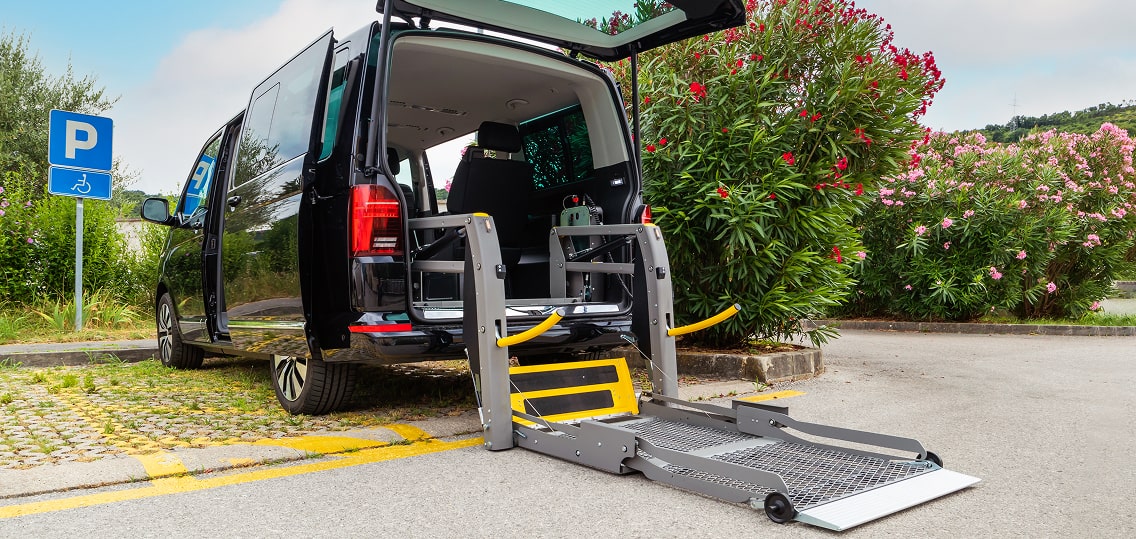
- Wheelchair — if you use a wheelchair, a wheelchair-accessible van with a ramp and securement system is necessary
- Stretcher — in rare cases where the patient must travel lying down, stretcher transport is available
Mobility needs can change over time. If you start with ambulatory transport and later need a wheelchair van, your coordinator transitions the vehicle assignment seamlessly.
Medicaid vs. Private Pay for Dialysis Rides
Most dialysis patients qualify for Medicaid (due to End-Stage Renal Disease, which qualifies patients for Medicare, and many dually qualify for Medicaid). Medicaid NEMT covers dialysis transportation — but the experience is often frustrating: long waits, shared rides that add an hour to each trip, and no-show drivers that cause missed sessions.
Many patients use Medicaid rides when they work reliably and switch to private pay when they do not. Others choose private pay exclusively because the consistency is worth the cost. Crown Care provides personalized quotes for dialysis schedules — the recurring nature often makes per-ride costs more manageable than expected. Read our full comparison.
Tips for Dialysis Patients Using NEMT
- Keep a small bag packed with essentials — medications, water, snacks, a phone charger, a light blanket
- Tell your coordinator about any access codes, gate codes, or building instructions at your home
- If your fistula arm needs protection, mention this so the driver assists on the correct side
- If you feel unwell after treatment, tell the driver immediately — they are trained to respond
- Save your coordinator's number for quick changes
Frequently Asked Questions
What if my dialysis session runs longer than expected?
Let the center notify your driver or call your coordinator. Crown Care adjusts the pickup time in real-time. You will not be left waiting.
Can I use the same driver every time?
We assign consistent drivers for recurring dialysis schedules whenever possible. Many patients and drivers develop a comfortable rapport over time.
What does dialysis transportation cost with Crown Care?
Pricing depends on distance, vehicle type, and location. For recurring dialysis schedules, we provide a per-ride rate. Call +1 518 666 6222 for a personalized quote.