Medical Transportation for Cancer & Chemotherapy Patients

Cancer treatment is not flexible. When your oncologist prescribes chemotherapy every other Tuesday, or radiation five days a week for six weeks, those appointments are not suggestions. Missing a session can compromise treatment efficacy, extend the overall timeline, and in some cases require starting a cycle over.
Yet the American Cancer Society estimates that transportation barriers cause thousands of cancer patients to miss or delay treatment every year. The irony is painful: the treatment exists, the patient is willing, the facility is ready — but the ride falls through.
Why Cancer Patients Face Unique Transportation Challenges
Cancer treatment creates a perfect storm of transportation difficulty:
- Frequency — chemotherapy might be weekly or biweekly; radiation is often daily for multiple weeks
- Fatigue — patients are often too exhausted to drive after treatment (and sometimes before)
- Side effects — nausea, dizziness, pain, and cognitive fog make driving unsafe
- Duration — treatment plans run months, burning out family drivers
- Distance — the best oncologist or cancer center may be in another city or state
Family members step up initially, but the reality of driving someone to chemo every week for six months while maintaining a job and their own family is unsustainable. That is where NEMT becomes essential — not a luxury, but a medical necessity.
Types of Transportation for Cancer Patients
Ambulatory Transport for Chemo and Radiation
Most cancer patients who are ambulatory (able to walk with or without assistance) use sedan or SUV transport. The driver arrives at the door, helps with personal items, and drives directly to the cancer center. After treatment, the driver returns at the scheduled time — or waits if the session is short. Learn about ambulatory transport.
Wheelchair Transport
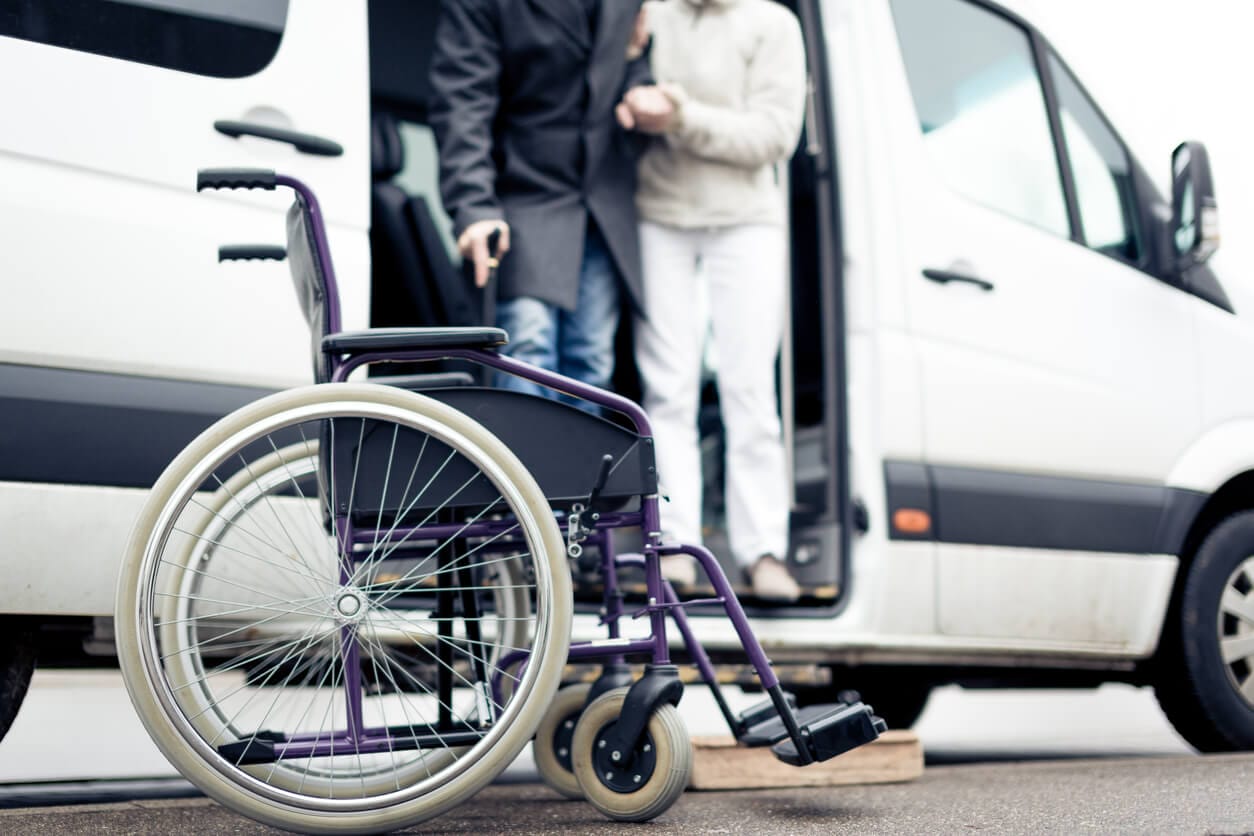
As treatment progresses, some patients transition to wheelchair use — either temporarily during intense treatment periods or permanently. Crown Care's wheelchair transport uses ADA-compliant vans with ramps and trained drivers who handle the wheelchair safely.
Long-Distance Transport for Specialist Care
When the best treatment is at MD Anderson in Houston, Memorial Sloan Kettering in New York, or Moffitt Cancer Center in Tampa, patients need reliable long-distance transport. Crown Care's long-distance service handles cross-state cancer treatment travel with medical-grade comfort.
Setting Up Recurring Chemotherapy Rides
The beauty of working with a dedicated NEMT provider is that you set up the schedule once. Tell your Crown Care coordinator:
- Treatment days and times (e.g., every other Tuesday at 9 AM)
- Expected treatment duration (so the return pickup is timed correctly)
- Whether treatment duration varies (infusion lengths can differ by cycle)
- Whether a companion will ride along
- Any special needs — nausea supplies, reclined seating, temperature preferences
The entire series is programmed. Same driver when possible, same vehicle type, same pickup time. If treatment is cancelled due to low blood counts or a schedule change, one call to your coordinator updates everything.
Set Up Your Treatment Transportation →
What to Expect on Treatment Days
A typical cancer treatment ride with Crown Care looks like this:
- Driver arrives at your door 15 minutes before the scheduled pickup
- They help you to the vehicle — carrying bags, holding doors, offering a steady arm
- Direct drive to the cancer center (no shared rides, no stops)
- Driver walks you to the treatment entrance and confirms drop-off with the front desk
- After treatment, the driver meets you at the exit and drives you home
- At home, the driver assists you from the vehicle to your door
For patients who feel ill after treatment, drivers carry emesis bags and maintain clean vehicles. The ride home should be as comfortable as possible — many patients rest or sleep during the drive.
Financial Options for Cancer Transport
The cost of transportation on top of cancer treatment is a real burden. Here are the options:
- Medicaid NEMT — if you qualify for Medicaid, transportation to treatment is covered
- American Cancer Society Road to Recovery — a volunteer driver program (availability varies by location)
- Hospital social workers — many cancer centers have transportation assistance programs or charity funds
- Private pay — Crown Care provides personalized quotes and works with families to find sustainable pricing for long treatment schedules
A Note for Family Caregivers
If you have been driving your loved one to treatment and you are exhausted — that is normal. Caregiver burnout is real, and it does not make you a bad person. Transitioning to NEMT for some or all treatment rides is one of the most practical forms of self-care a caregiver can practice.
Many families use a hybrid approach: they drive for some appointments (when it feels good and the schedule allows) and use NEMT for the rest. There is no all-or-nothing requirement.
Book Your Ride with Crown Care →
Frequently Asked Questions
Can the driver wait during my chemo infusion?
Yes. For shorter infusions (under 2 hours), the driver typically waits at the facility. For longer sessions, the driver returns at a scheduled pickup time. Your coordinator manages the timing.
What if I feel sick during the ride home?
Our drivers are prepared with emesis supplies and maintain clean vehicles. The ride is direct — no shared stops — so you get home as quickly and comfortably as possible.
Can my spouse or caregiver ride with me?
One companion rides free on every trip. This is especially common for cancer patients who want a family member present during treatment. Just let the coordinator know when booking.